Ask three tuners what "Stage 1" means and you'll get three different answers - literally. COBB's stage 1 is software on a bone-stock car. Unitronic's MK8 GTI stage 1 needs the company's intake and intercooler to hit its advertised numbers. APR's latest-generation software has no purchasable stages at all - the tune detects your hardware and adjusts itself. "Stage" is not an industry standard; it's each tuner's menu.
That's the single most useful thing to know about stage tunes, and it reframes every question that follows: what the stages typically mean, what real platforms actually gain, what it costs in 2026, and the two questions everyone Googles at midnight - warranty and legality - answered from the FTC's and EPA's own pages instead of forum lore.
What does a "stage" actually mean?
A stage number only means something inside one tuner's catalog. The proof is how differently the major shops use the same words:
| Tuner | "Stage 1" | "Stage 2" |
|---|---|---|
| COBB (Subaru/Ford) | Accessport software only, stock hardware | Software + hardware package (intake, FMIC on 2022+ WRX) |
| Unitronic (VW MK8) | Software - but intake + intercooler required for advertised figures | Software + required downpipe |
| APR (EA888 Gen 4) | One adaptive tune - no stages sold | Same tune; add intake/intercooler and it "automatically jumps to Stage 2 power levels" |
UK tuner Viezu says the quiet part plainly: tuning stages aren't an industry standard, and definitions vary by tuner and platform. So before comparing "stage 2" quotes across brands, translate each into its actual parts list and dyno claim - that's the real spec.
Stage 1: the software stage
Stage 1 is a recalibration of the factory software's conservatism - COBB's framing - typically flashed through the OBD port on otherwise-stock hardware. The published numbers are genuinely large on turbocharged platforms:
- VW MK8 GTI (Unitronic): 336 hp / 352 lb-ft vs. 241 / 273 stock on 91 octane - with the company's intake and intercooler required to reach those figures.
- MK7 GTI (APR, via authorized dealers): 323 hp / 326 lb-ft on 91 octane - and a tellingly smaller 290 hp on 87 octane. Fuel quality is half the tune.
- Civic Type R FK8 (Hondata): +58 hp / +79 lb-ft - alongside Hondata's own honest caveat that "the FlashPro itself does not make power; the combination of parts and your engine makes the power."
One number-literacy note: most advertised figures are estimated at the crank, not measured at the wheels, and the two aren't comparable. APR's newer pages helpfully quote both ("345-392 HP" crank alongside "+76-122 WHP" measured); the popular "15% drivetrain loss" conversion is folklore with no standardized basis - when a tuner gives you wheel figures, use those.
Stage 2: the hardware stage
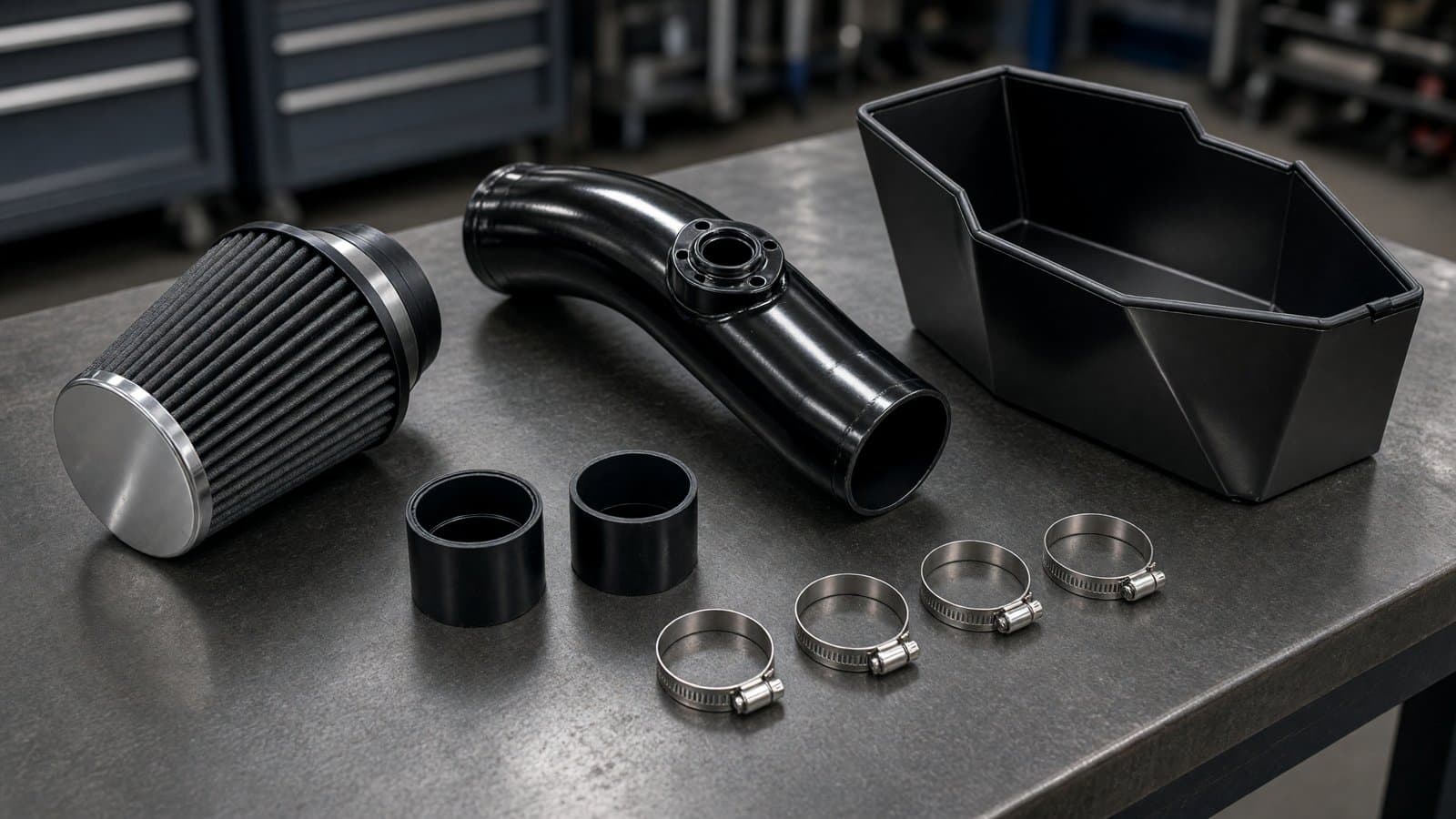
Stage 2 is where the tune starts demanding parts - and the parts list is the requirement sheet, not a suggestion. The map is calibrated around the airflow those parts provide. Three official examples: APR requires its upgraded downpipe for the higher-output EA888 Gen 3 software. COBB's 2022-2026 WRX Stage 2 package is built around its intake, front-mount intercooler, and boost control solenoid - no downpipe, a deliberate post-2022 design choice. Unitronic's MK8 stage 2 requires its downpipe and 93 octane, for an advertised 385 hp / 399 lb-ft.
The payoff on one clean example - Unitronic's MK8 GTI ladder, crank-claimed: stock 241 hp → stage 1 336 hp → stage 2 385 hp. The costs in 2026: APR stage 1 software at $549.95, COBB's Accessport V3 at $770 list, and complete stage-style packages like Mountune's 360 hp m365 for the Focus ST at about £1,840 with downpipe and sport cat included. Budget for the unglamorous, too: premium fuel forever, and on manual cars, clutches that were engineered for the old torque figure.
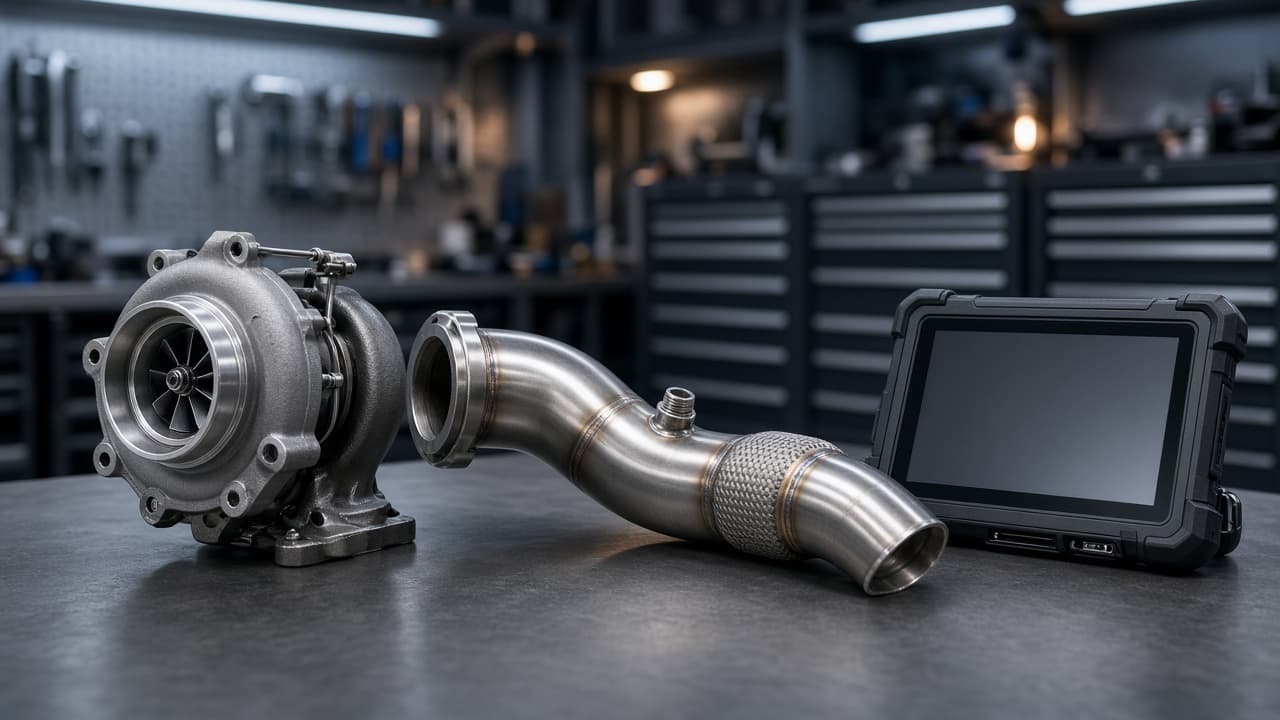
Stage 3: the turbo stage
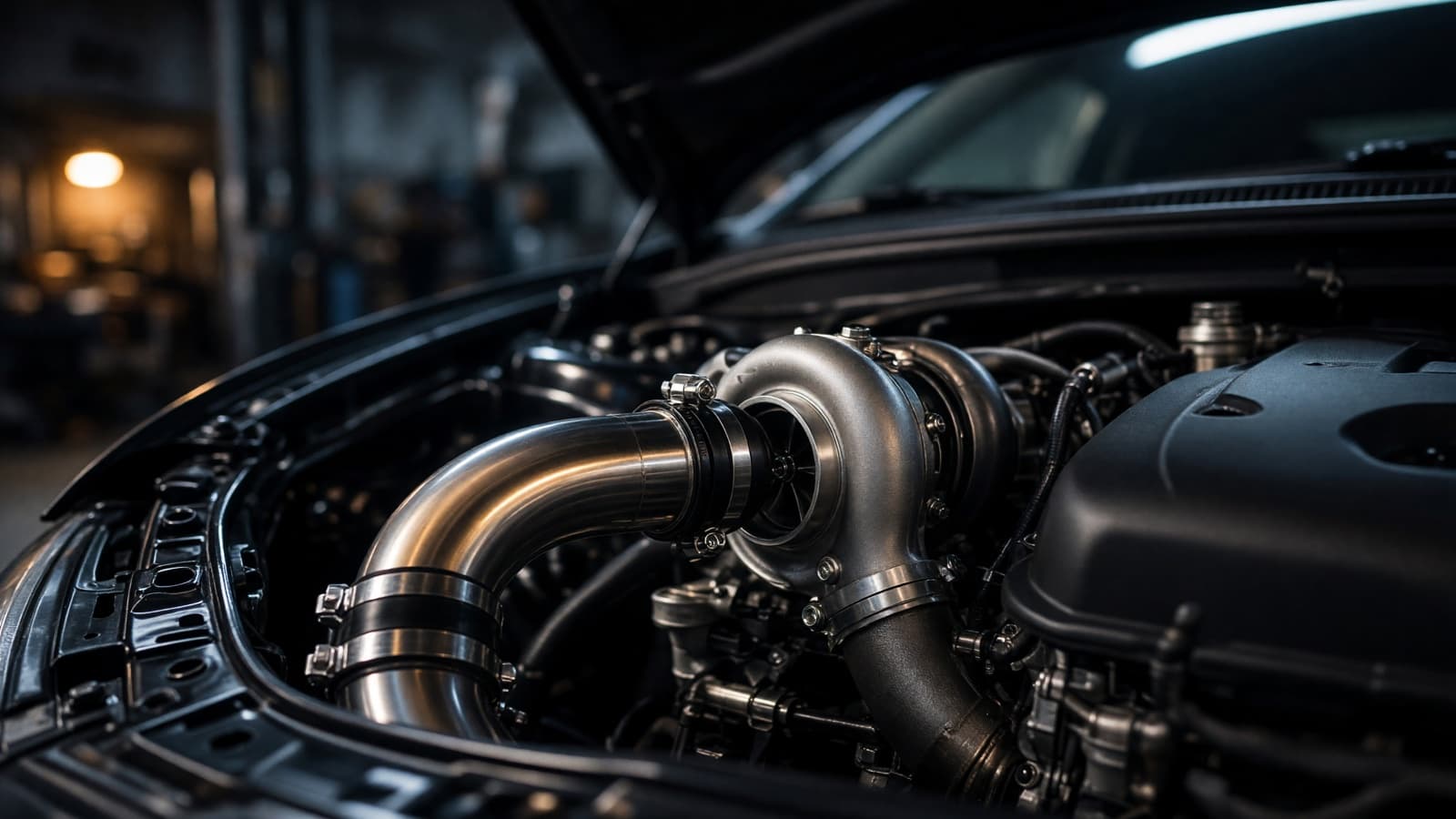
By stage 3, you're not tuning the car you bought - you're building a different one. The label almost universally means a turbocharger upgrade plus everything that supports it: APR's Stage 3 EFR7163 system takes an MK7 GTI to a claimed 536 hp with a BorgWarner turbo and paired ECU calibration (kits run around €6,000 in Europe before install), and Mountune's MRX turbo does the equivalent for Fiesta STs. At this altitude, fuel system, clutch, cooling, and axles all join the bill - which is why stage 3 belongs to project cars and shop-built machines, not commuters.
Will a tune void your warranty?
Not automatically - and the blanket "your warranty is gone" line is legally wrong. The FTC warned companies in 2018 that it's illegal under the Magnuson-Moss Warranty Act to void a warranty or deny coverage simply because aftermarket parts were used, and it was still sending warning letters in 2024.
Now the honest half: a dealer can legitimately deny a specific claim when the modification caused the failure - a tuned engine that spins a bearing is not a mystery - and ECU flashes are detectable, as plenty of VW and Audi owners have reported after warranty visits. You're trading legal protection in general for a burden-of-proof fight in particular. The industry's own hedge is telling: APR sells APR Plus, a stage 1 tune bundled with a limited powertrain warranty running through your factory coverage period. Tuners don't build warranty programs for imaginary risks.
Are stage tunes even legal?
There's a legal lane, and 2022-2024 made its boundaries very concrete. The lane is CARB Executive Orders: an EO number means the product was evaluated and is 50-state street legal - COBB publishes the EO numbers covering its Accessport line. The boundary is everything else: COBB's 2022 "Project Green Speed" proactively blocked custom tunes touching emissions-related systems and discontinued whole product lines - and the EPA still reached a $2.9 million Clean Air Act settlement with COBB in September 2024 over earlier products. Zoom out and the EPA's aftermarket defeat-device initiative logged 172 civil cases and $55.5M in penalties in four years.
The practical read for a street car is simple: buy products with a CARB EO, run the emissions-legal maps, and treat "off-road only" as meaning exactly what it says. That's also what your state inspection - and the tuner's own lawyers - now assume.
Which stage should you actually run?
The unglamorous answer serving most people best: EO-covered stage 1, on good fuel, and stop. It's the best dollars-per-horsepower in car modding ($550-800 for 60-95 hp on the platforms above), it's reversible, and warranty-backed versions exist. Go stage 2 when you're genuinely ready for the parts list, the premium-fuel bill, and the maintenance posture of a modified car. Stage 3 is a project you undertake, not a product you buy.
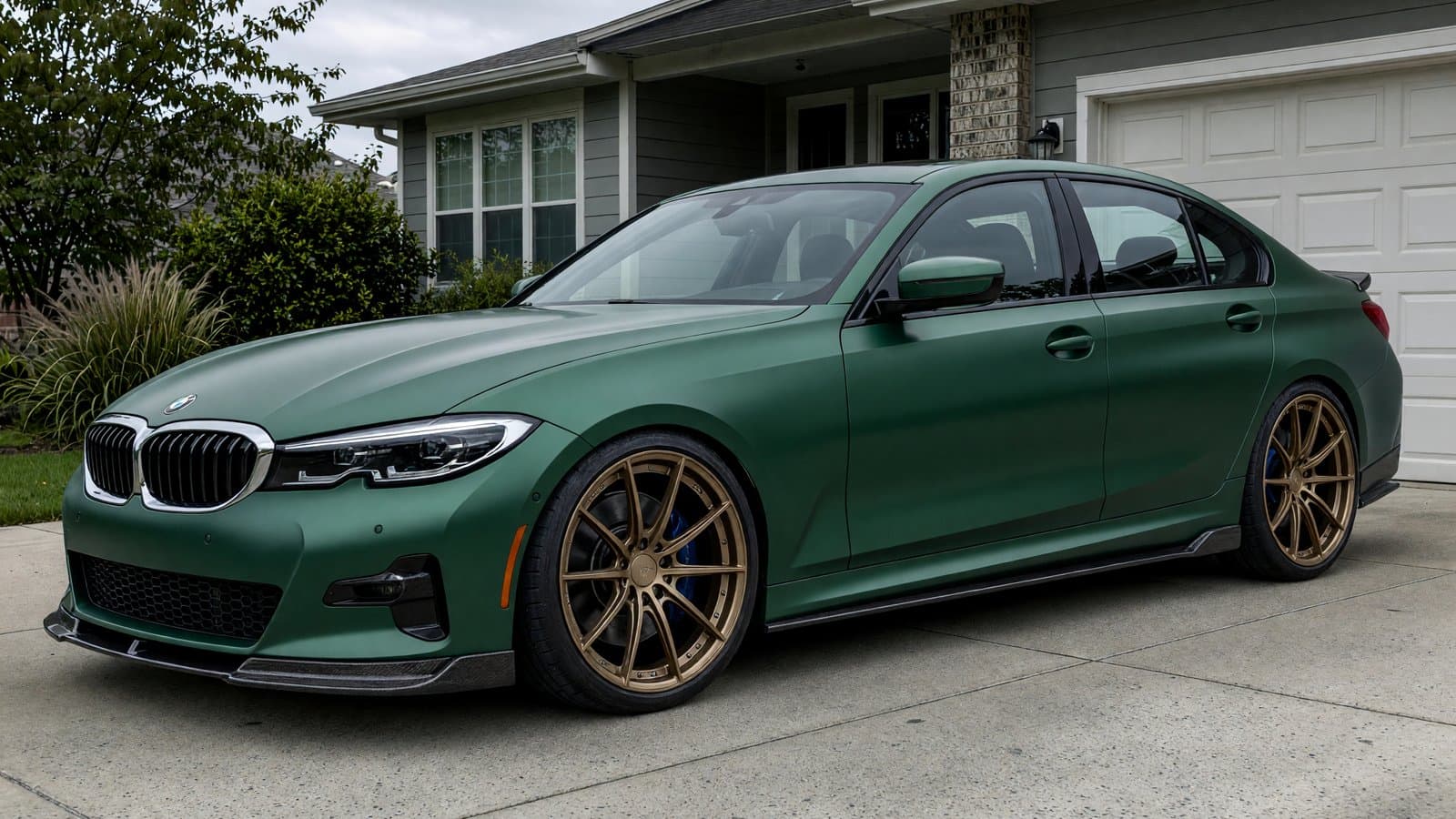
And notice what none of the stages change: how the car looks. A stage 2 GTI and a stock one are identical from the sidewalk - which is why tuned cars almost always grow wheels, stance, and fitment to match the build. If the outside is next on your list, upload a photo of your car to VizTunr's free demo and preview the whole look - wheels, drop, colors - photorealistically in about a minute, the same virtual try-on technology tuning shops use to plan builds customers can actually see. Make the invisible horsepower visible. No account needed.
TuningStage 2 TuneECU TunePerformance
August 29, 2026 · 7 min readCategory: Tuning
Explore related