The same 18-inch wheel size costs $206 or $1,775 depending on one word in the product name. That word - cast, flow formed, or forged - describes how the aluminum got its shape, and it's the most misunderstood spec in the wheel aisle. It's also newly topical: McLaren's F1 team announced Enkei as its wheel supplier for the 2026 season - forged magnesium at the top of the sport, made by the same company whose flow formed RPF1 sits on half the track cars in America.
This guide explains all three processes in the manufacturers' own words, what the real weight and price differences are, what the JWL stamp on your spokes actually certifies (less than you think), and the honest version of the replica-wheel question.
How are wheels actually made?
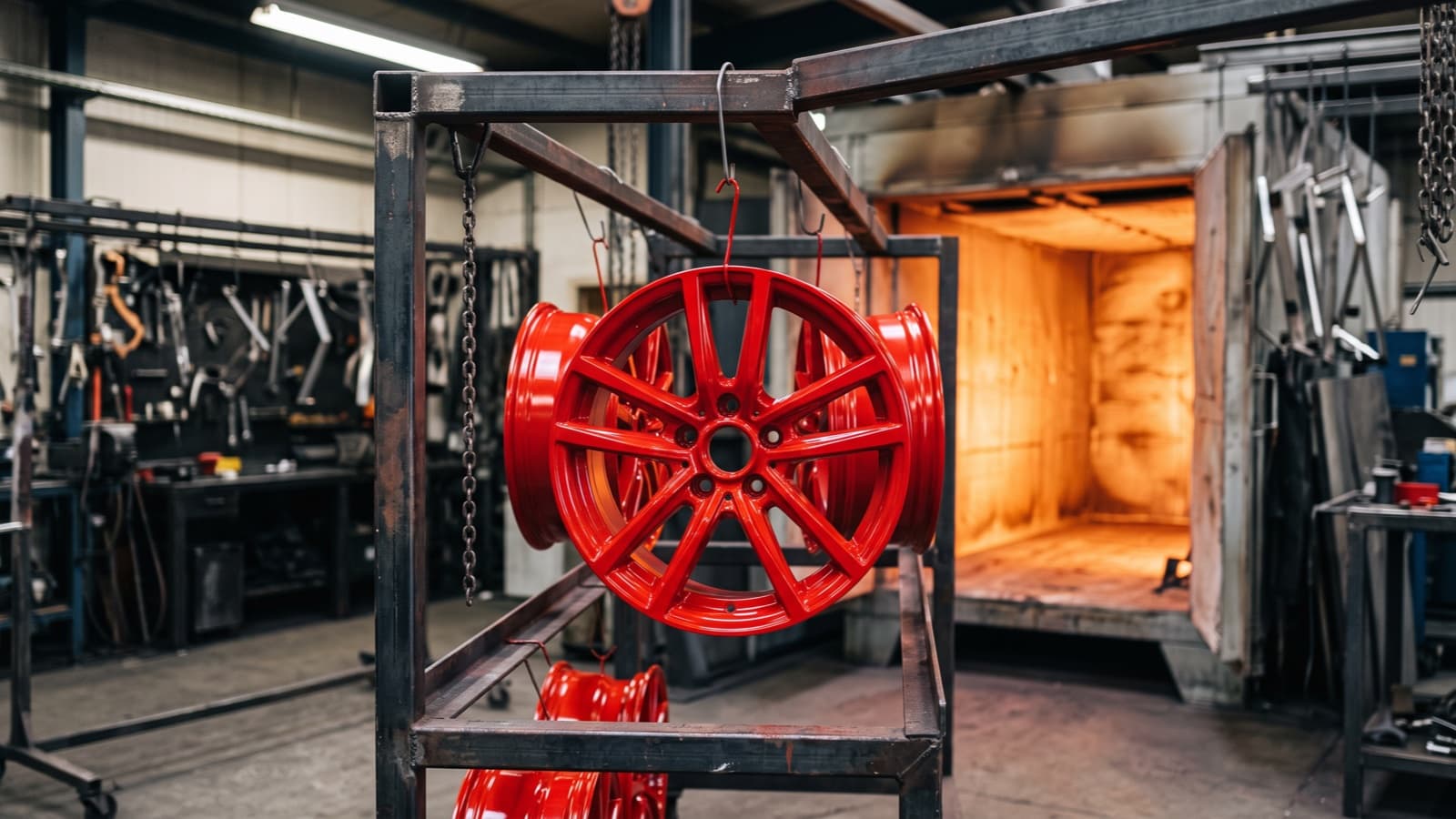
Casting: pour, cool, machine. Molten aluminum fills a mold, cools, and gets finish-machined. It's how nearly every OEM wheel is made - cheap, consistent, and heavier per unit of strength, because cast metal keeps a coarser grain with some porosity.
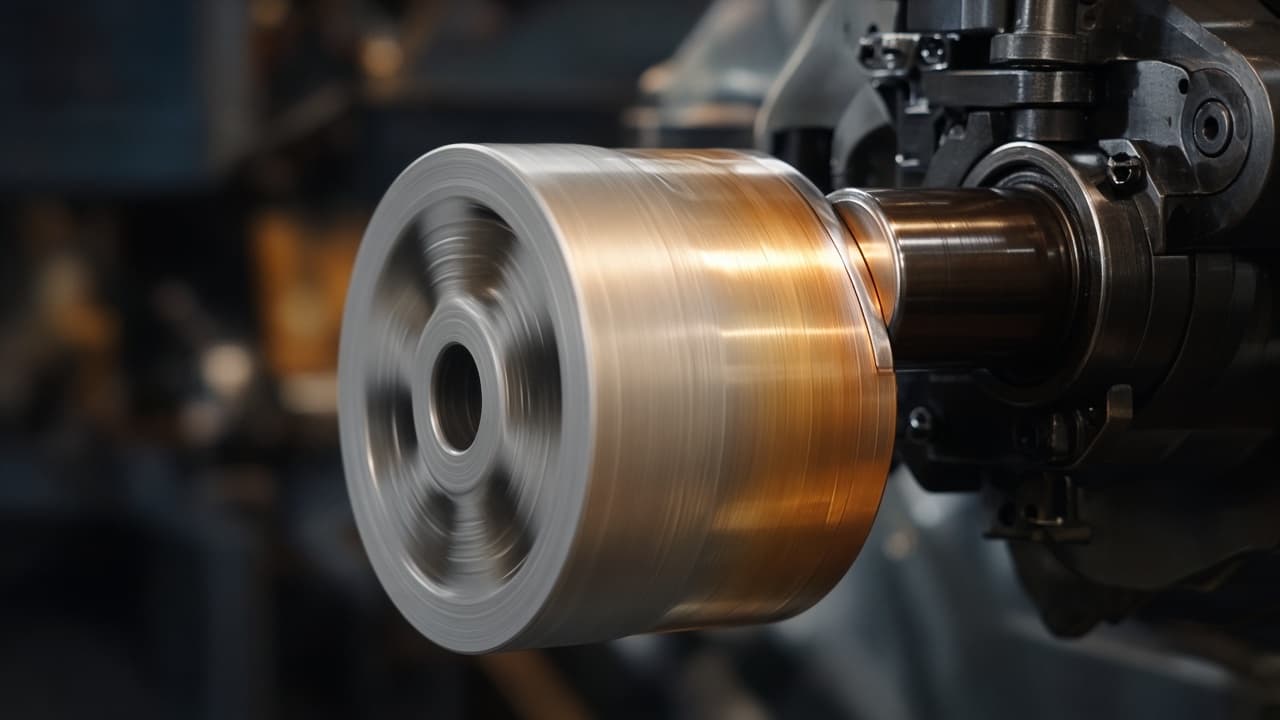
Flow forming: cast the face, forge the barrel. The wheel starts as a casting, then spins on a mandrel while rollers work the barrel under heat and pressure. Enkei's MAT process page describes the spinning as creating "metal flow" in the alloy "similar to the metal property seen in the forging process" - a hybrid of casting and forging at a cost closer to casting. Konig's version: the rolling "stretches and compresses the aluminum, which increases tensile strength." TSW has built wheels this way since 2011 under the "rotary forged" name - same idea, forged at pressure while spun at speed.
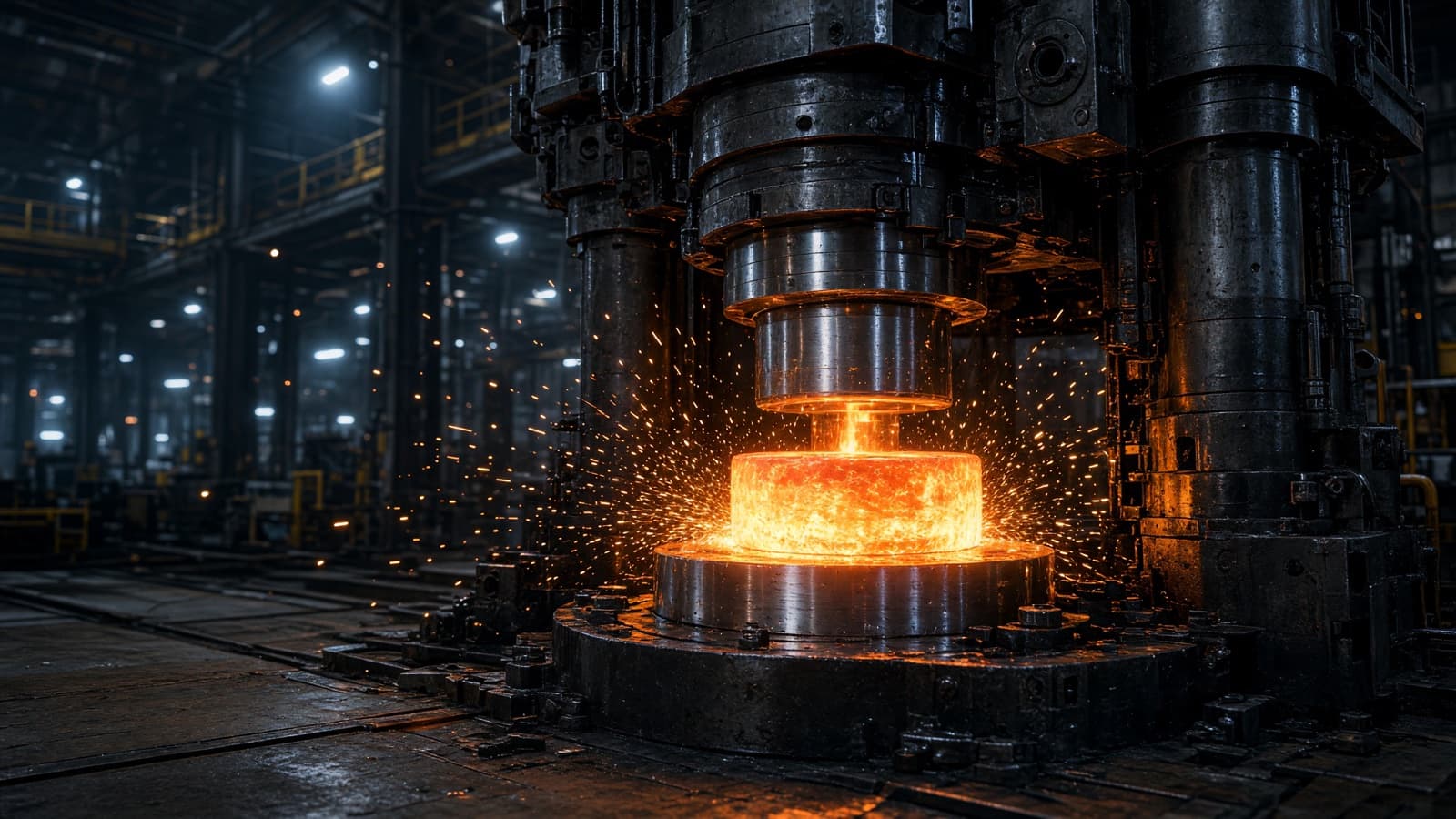
Forging: crush a billet. A true forged wheel starts as a solid block of aluminum compressed into shape under staggering force - BBS quotes up to 18 million pounds of pressure - then CNC-machined into its final form. The equipment race is the story: BBS's own history runs from a 5,000-ton forging press in 1983 to 9,000-ton presses in 2005 to a 12,000-ton unit installed in 2019. Dense, aligned grain; maximum strength per gram; maximum price.
What do the processes buy you? Weight and failure behavior
The published numbers, not the folklore. Enkei states its MAT flow forming reduces wheel weight by 10-15% versus conventional casting. In absolute terms: Konig's flow formed Dekagram runs about 16.8 lbs in 17x8, and the forged Rays wheels on every Global MX-5 Cup race car weigh about 15.35 lbs in 17x7.5. Why care? A wheel is unsprung, rotating mass - it must be accelerated both forward and rotationally, and it hammers your suspension over every bump. (Enkei's marketing claims each pound saved is worth twenty of static weight; treat that ratio as a claim - engineers agree on the direction, not on any universal multiplier.)
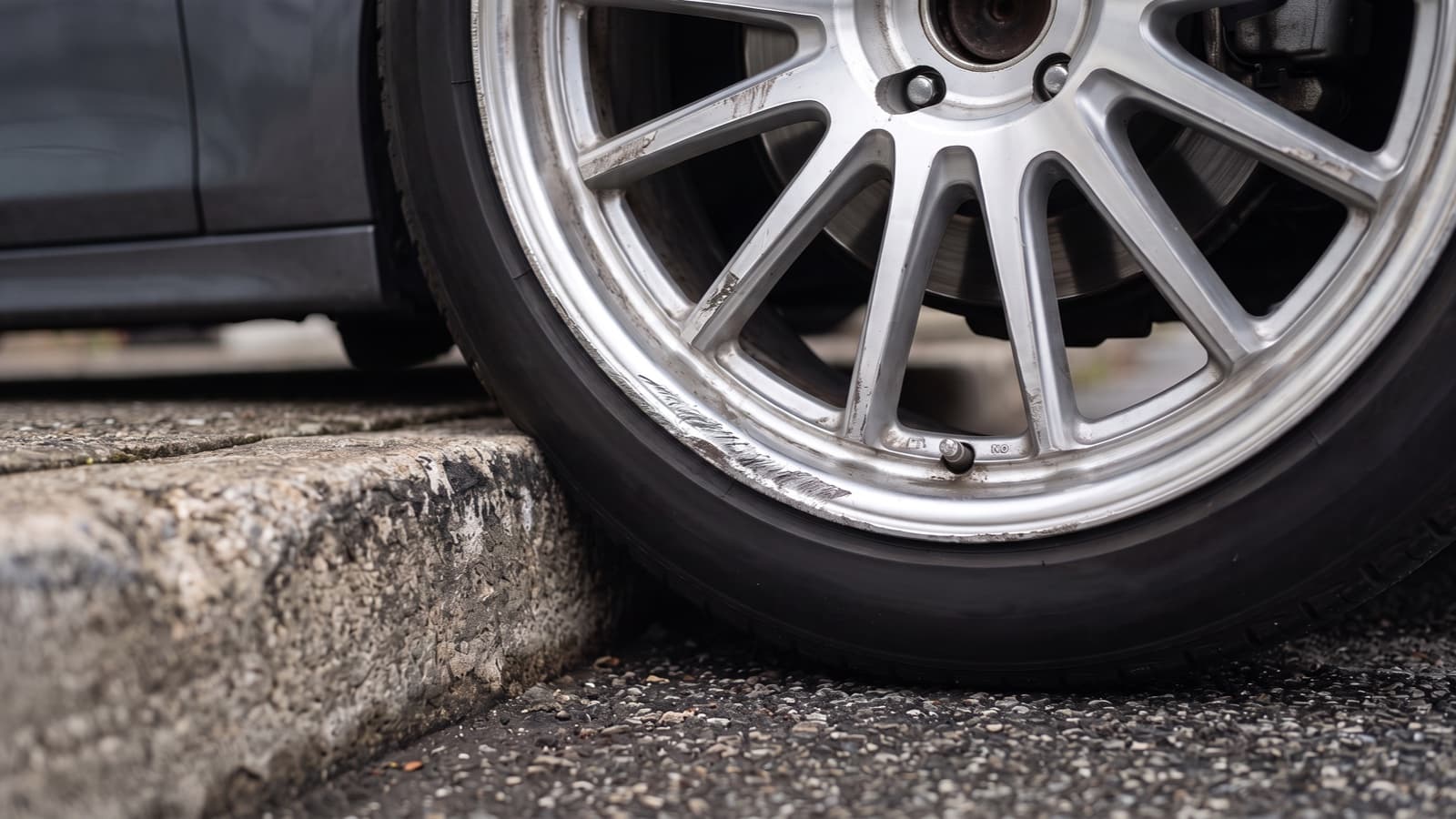
The other difference shows when things go wrong. As forged-wheel maker LFI explains the failure modes (May 2026 - noting they sell forged): cast aluminum's coarse grain and porosity mean damage tends to crack, and cracks spread unpredictably; a forged wheel's dense grain means it typically bends before it breaks. That distinction is exactly why automakers refuse structural wheel repairs - and why a cracked cast wheel is a replacement, not a weld.
What does each construction cost?
Live prices, August 2026, per wheel:
| Construction | Example | Price |
|---|---|---|
| Flow formed | Konig Hypergram | from $206 |
| Cast | fifteen52 Rally Sport Turbomac | from $320 |
| Flow formed | APEX SM-10, 18x9 | $434 |
| Forged | Forgeline Concave Series | from $1,775 |
Two things jump out. First, flow formed isn't a premium over cast - value brands like Konig sell flow formed below boutique cast prices, which is why it has become the enthusiast default. Second, the forged premium is real and structural: press tonnage and CNC hours don't discount. Brands like APEX sell the same designs in both flow formed and forged, and the like-for-like gap is roughly 3-4x.
The JWL stamp: certified less than you think
JWL is a real standard - and an honor system. The stamp refers to Japan's light-alloy wheel standard: rotary bending fatigue, radial fatigue, and impact tests. But as APEX's investigation of the marking lays out, JWL is self-certified: once a maker's equipment is approved, it runs its own tests with no third-party oversight - and APEX reports seeing wheels stamped JWL that don't meet the standard. The stronger signal is VIA registration, because the VIA mark may only go on wheels actually registered with Japan's Vehicle Inspection Association. The US aftermarket analog is SAE J2530; serious makers layer their own internal standards on top, like Enkei's stricter Spec-E program.
Practical takeaway: a stamp is a claim; a named manufacturer with published testing and a structural warranty is evidence.
Replica wheels: the honest version
"Replica" spans a quality canyon, and both sides of the debate have a store. At one end, established replica makers like Factory Reproductions state their wheels are tested to SAE J2530 - radial fatigue, cornering, impact - and carry structural warranties (they sell replicas, so weigh the source). At the other end, OEM-wheel sellers warn replicas cut materials and testing (they sell the originals - same caveat). Strip the competing interests and the usable rule survives: the risk isn't the word "replica," it's unverifiable wheels - no named maker, no published tests, stamps you can't check. APEX's counterfeit teardown of fake versions of its own wheels shows where that road ends.
Does construction matter at the track?
At the very top, everything is forged - and that's not the lesson. McLaren's 2026 F1 wheels are forged magnesium from Enkei; BBS forged Ferrari's F1 wheels through the Schumacher era; the Global MX-5 Cup runs spec forged Rays. But club racing runs overwhelmingly on flow formed wheels like Enkei's own RPF1, and APEX's engineering argument is the one worth memorizing: "Forging is a manufacturing process, not a measure of strength" - load rating is the number that measures a wheel, and a well-engineered flow formed wheel can out-rate a lazy forged one.
So the buying logic lands simply. Daily commuter: cast is fine, spend the difference on tires. Enthusiast: flow formed is the value frontier - most of the weight benefit, warrantied strength, hundreds not thousands. Track builds, heavy cars at speed, or bespoke fitments: that's what the forging presses are for.
Construction picks the strength - your eyes pick the wheel
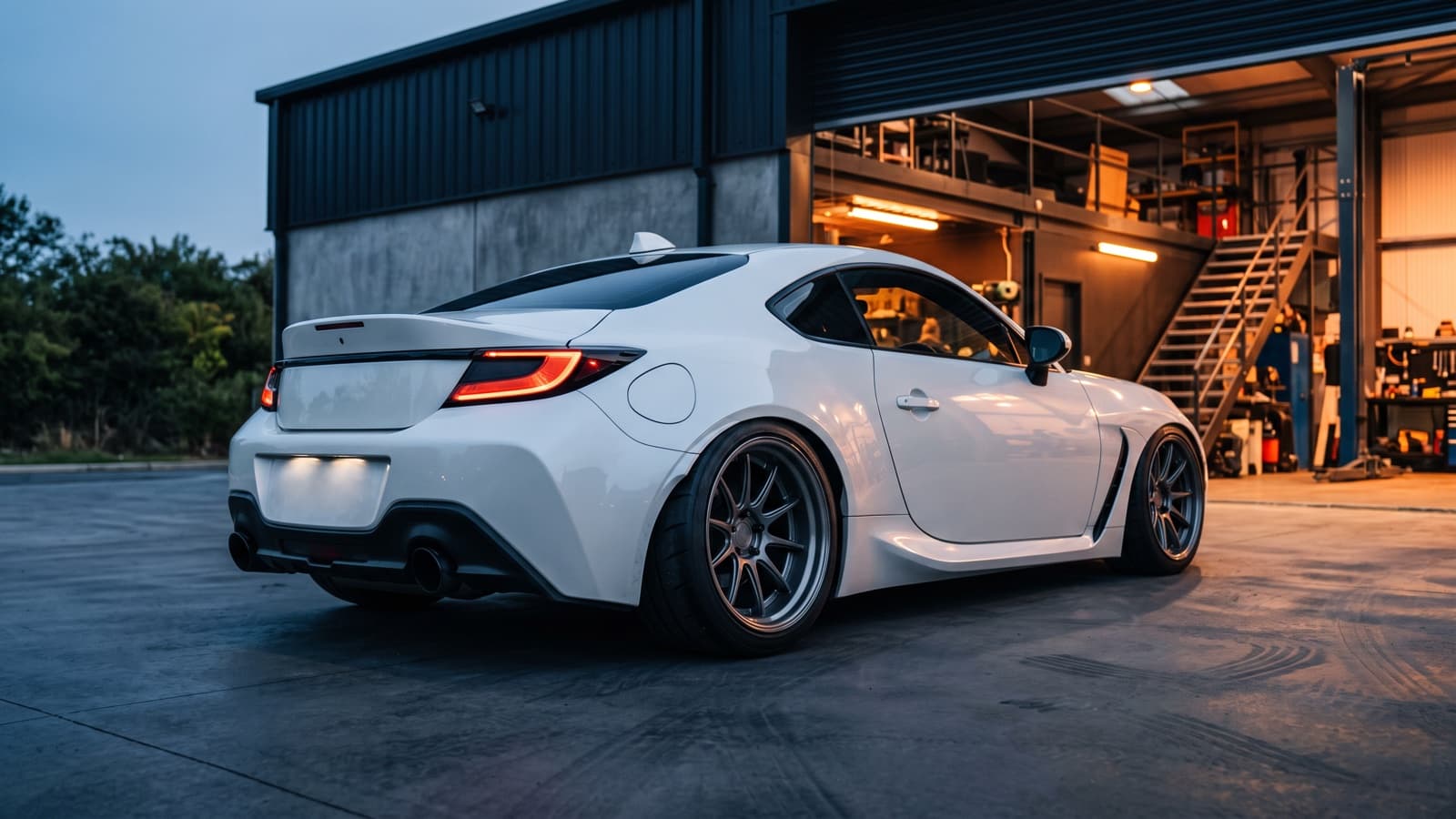
Here's the thing nobody at the counter says out loud: from six feet away, nobody can tell how your wheel was made. Construction decides weight, strength, and price - but the style, color, offset, and stance decide whether the car looks right. Plenty of people have paid the forged premium for a design that turned out wrong on their car.
So settle the visual question for free first. Upload one photo of your car to VizTunr's demo and preview any wheel design on it photorealistically in about a minute - then put your construction budget behind a design you've already seen work. It's the same virtual try-on technology wheel shops use to keep four-figure wheel decisions from becoming four-figure regrets. Pick the look with your eyes, pick the construction with the load rating. No account needed.
WheelsFlow FormedForged WheelsCast Wheels
August 18, 2026 · 7 min readCategory: Wheels
Explore related