Ask a wrap shop how long a car wrap lasts and you'll hear "five to seven years." Ask the people who actually make the film and the honest answer is anywhere from 4 months to 12 years - depending on which panel of the car, which film family, and which state you park it in.
Those aren't guesses. They're printed in the manufacturers' own durability tables. This guide pulls the real numbers from 3M's and Avery Dennison's 2024-2026 technical documents: how long each film type is rated to last, why your hood ages five times faster than your doors, how long installation takes, and the care rules that decide whether you get the long end of the range.
How long does a car wrap last?
A professionally installed vinyl wrap typically lasts 5 to 7 years - that's the figure Wrapmate, one of the largest 3M-partnered installer networks in the US, quotes for its own installs, and it matches what most reputable shops will tell you across the counter.
The manufacturers are more precise, because their warranty is the number. Avery Dennison's Supreme Wrapping Film data sheet (revised March 2026) rates each film for a specific number of years, and states outright that the warranty term equals the durability rating:
| Avery SW900 film type | Vertical panels (doors) | Horizontal panels (hood, roof) |
|---|---|---|
| Black & white | 12 years | 3 years |
| Standard colors | 10 years | 2 years |
| Metallic & pearlescent | 5 years | 2 years |
| Textured finishes | 4 years | 1 year |
| Diamond / gold-flake specialty | 3 years | 1 year |
Ratings for Avery's best-case climate zone; hotter regions rate lower (more on that below). 3M, the other film giant, backs its 2080 wrap series with a comprehensive warranty of up to 8 years on vertical applications (September 2024 product bulletin), with the exact term varying by climate zone and dropping sharply for hoods and roofs.
So the shop's "5 to 7 years" isn't wrong - it's the sensible midpoint between a 10-year door panel and a 2-year hood, averaged over a car that lives outside sometimes and gets washed imperfectly.
Why does the hood fade before the doors?
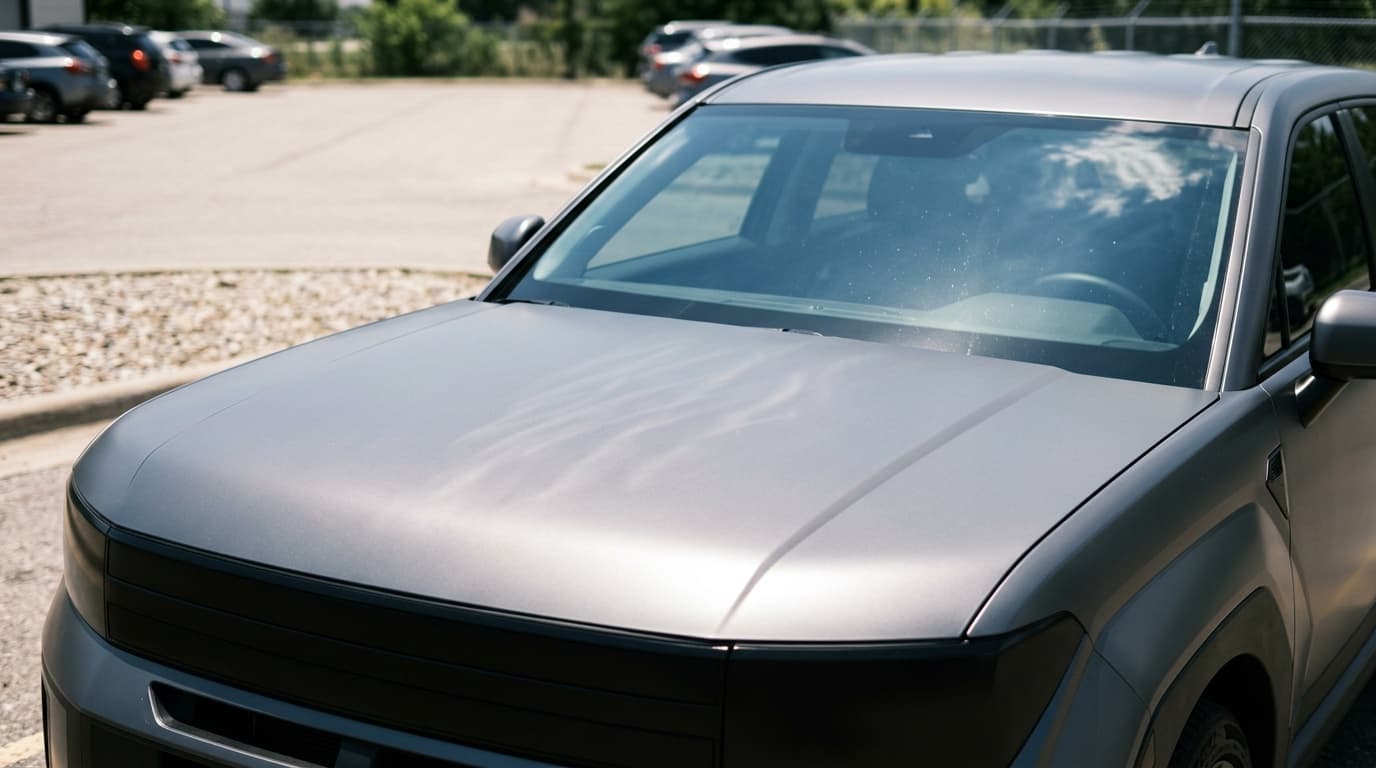
Because horizontal surfaces take the sun flat-on and trap everything that lands on them. Avery Dennison's care bulletin (June 2024) spells out the mechanism: horizontal panels trap chemicals, water, and road film on the surface, and the increased UV exposure shortens durability - an effect that gets worse in smoggy urban areas.
The result is the fivefold gap in the table above: the same roll of color film is rated 10 years on a door and 2 years on a hood. When you see a wrapped car with a chalky roof and glossy doors, that's not a bad install - that's physics doing exactly what the data sheet said it would.
Which wrap finish lasts the longest?
Gloss lasts longest; the flashier the finish, the shorter its life. Film maker HEXIS (June 2024) puts real-world numbers on the finish hierarchy:
- Gloss: 3-7 years - the most durable finish and the easiest to maintain
- Satin and matte: 3-5 years - no clear coat to polish, so scratches are forever
- Chrome: 1-3 years - the most delicate film on the market
- Fluorescent: under 1 year - can visibly fade within about 3 months of constant sun
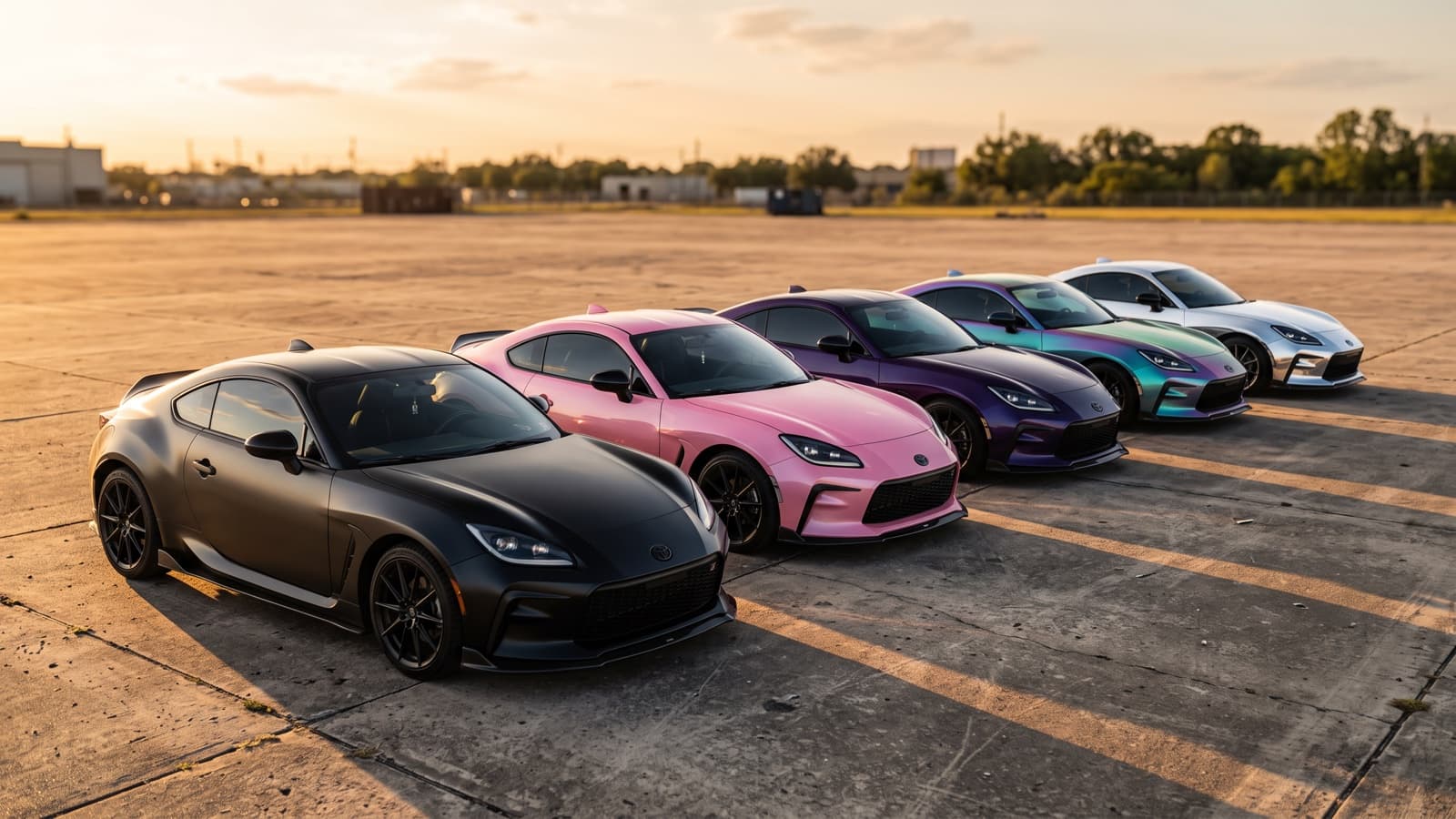
Avery's own table agrees on the pattern: standard colors carry a 10-year vertical rating while metallic and pearlescent films get 5, and specialty gold-flake films just 3. If you're torn between finishes, our car wrap colors guide covers what each finish costs and how it behaves day to day - and chrome's short life is a big part of why it costs so much per year of use.
How much does climate change wrap lifespan?
Enough to turn a 10-year film into a 4-month one. Avery Dennison rates its films across three climate zones, and the March 2026 data sheet shows the same standard color film dropping from 10 years vertical in the mildest zone to 4.8 years in the harshest - and on horizontal panels, from 2 years to just 4 months.
3M handles it the same way: the 2080 bulletin points installers to a dedicated "U.S. Desert Southwest Region Map" to determine whether reduced warranty durabilities apply. If you're wrapping a car in Phoenix or Las Vegas, the sun is a line item. Altitude matters too - Avery's care bulletin notes UV damage increases significantly in high-elevation mountain regions.
The practical read: in the northern half of the country a quality wrap on a garaged car can genuinely push past 7 years. In the desert Southwest, treat any wrap as a 3-to-5-year proposition and every horizontal panel as a wear item.
How long does it take to wrap a car?
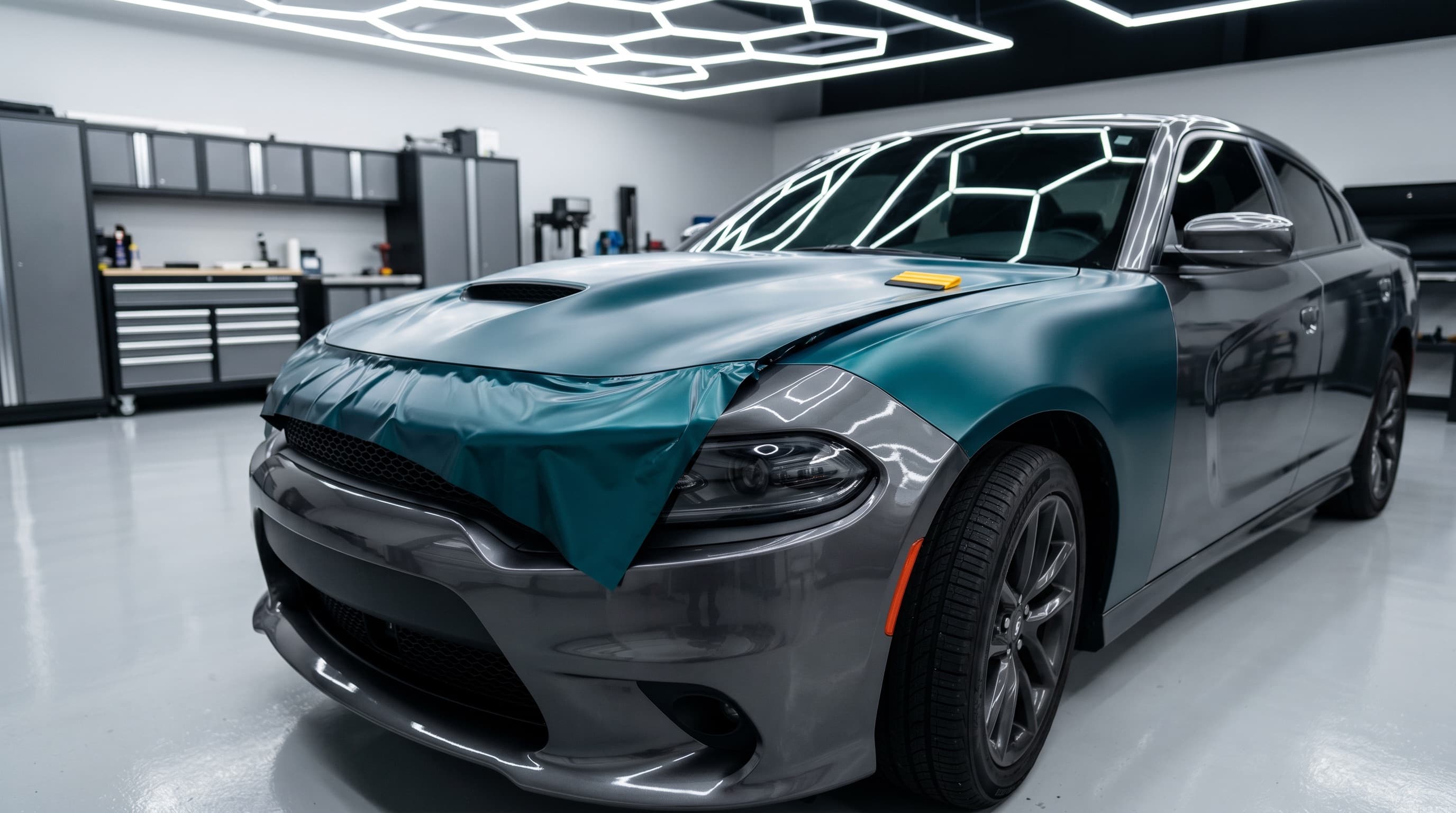
One to two days in the shop for a full wrap - plus a settling day before you drive it hard. Per Wrapmate's install-time guide, a partial wrap (hood, roof, accents) takes about 4 hours of labor, a full wrap up to a full day of work on top of prep, and most installations mean 1-2 days with the car in the shop. Good shops then hold the car roughly 24 hours after application so the film sets before it's driven.
Cold weather adds a step: Avery Dennison's care bulletin requires a freshly wrapped vehicle to dwell at room temperature for at least 24 hours in winter before going back into the cold.
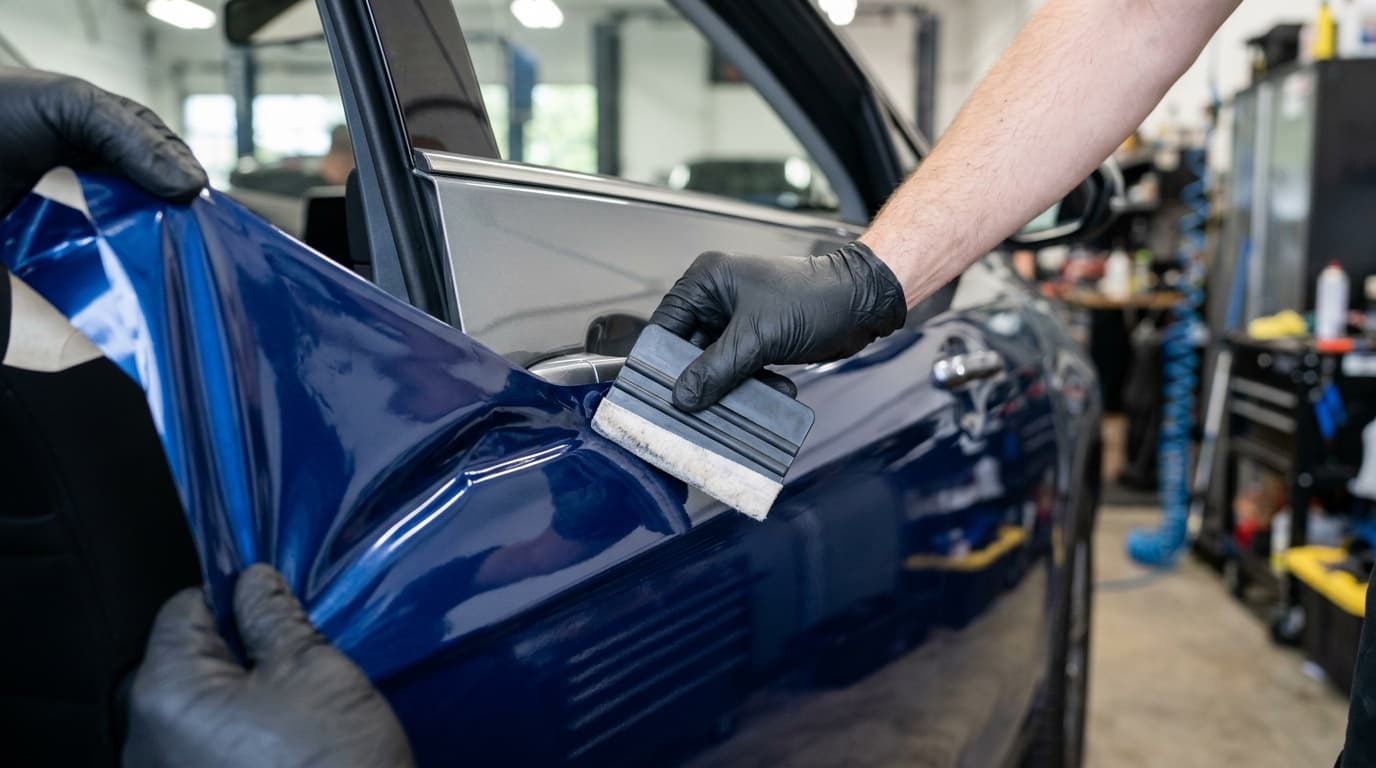
Be suspicious of anyone promising a same-day full wrap. Panel prep and patience are exactly where longevity is won or lost, and a rushed install is the one lifespan factor you can't wash your way out of. Wrap pricing follows the same logic - labor is most of the bill, and our car wrap cost guide breaks down why.
How do you make a car wrap last longer?
Wash it gently every two weeks and keep it out of the sun. That's not folk wisdom - it's Avery Dennison's official care bulletin, and 3M's bulletin says the same things in fewer words:
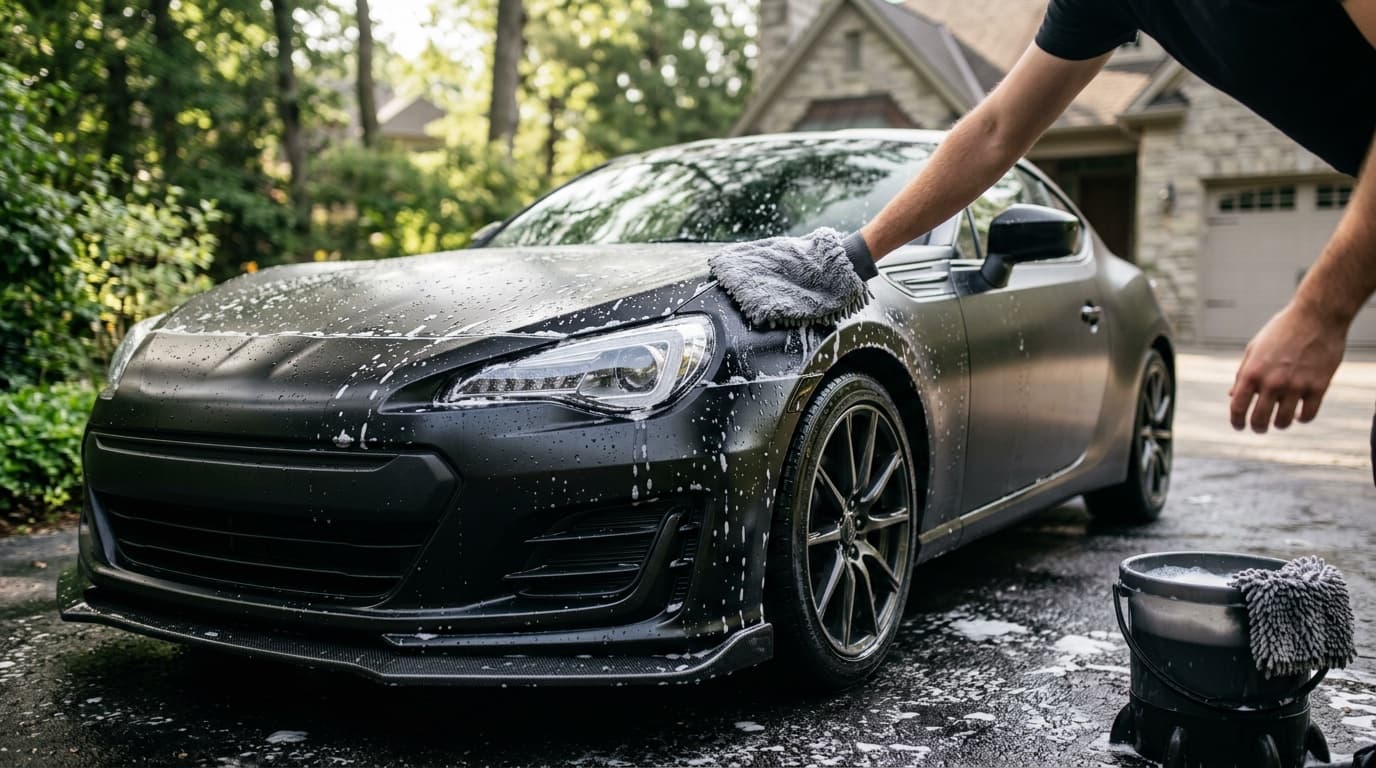
- Wash every 2 weeks, hand wash, top-down, with mild soap between pH 5 and 9. Rinse loose dirt off first; never scrub.
- Touchless car washes only. Spray-only automatic washes are acceptable; brush washes are explicitly not recommended - they scratch, dull, and lift edges. Skip the car-wash wax option, which can contain petroleum distillates that damage the film.
- Pressure washers are a last resort: under 1,200 psi, water below 180°F, a wide-angle tip, and at least 12 inches from the film, straight-on.
- Park in shade, a garage, or under cover whenever possible. 3M goes further and recommends a temperature-controlled garage. Every hour out of the sun is lifespan in the bank.
- Think twice before ceramic coating a wrap. 3M states it does not warrant 2080 films with coatings of any kind, and Avery's warranty excludes waxes and protective coatings. The coating may look great - but you're trading the manufacturer's coverage for it.
When should a wrap come off?
Inside its rated durability window - that's the clean-removal period, not just the pretty period. Both manufacturers define it the same way: 3M states 2080 is removable with heat and/or chemicals from most surfaces within the warranty period, and Avery Dennison warrants clean removability - defined as less than 20% adhesive residue - for the length of the film's durability rating.
Push years past the rating and the film gets brittle and the adhesive stubborn; removal turns from an afternoon with a heat gun into paid labor by the hour. Two more caveats worth knowing before you wrap: Avery makes no clean-removal promise on paint more than 5 years old or on poorly cured resprays. If your base paint is tired, fix that conversation before the film goes on.
See the wrap before the clock starts ticking
Every number in this guide starts counting the day the film goes on. Five to seven years is a long time to live with a color you talked yourself into at the counter - and as the finish table shows, the boldest films are also the shortest-lived.
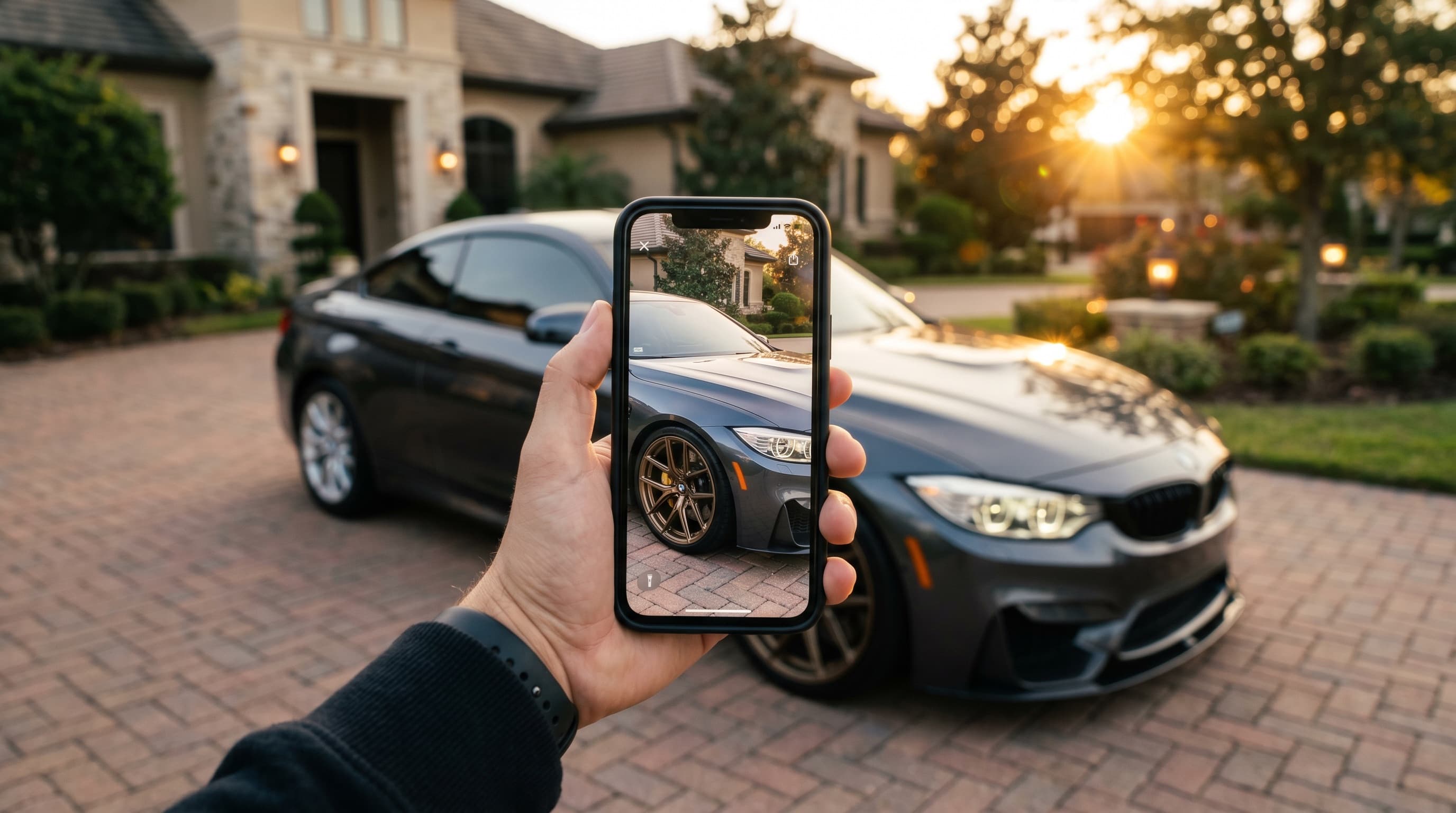
So make the choice with your eyes instead of your imagination. Upload one photo of your actual car and VizTunr's free demo renders any wrap color or finish on it photorealistically in about a minute - your model, your stance, your lighting. Cycle through gloss, satin, and that chrome you're not sure about, then walk into the shop knowing exactly what the next five years look like. No account needed.
WrapCar Wrap LifespanVinyl WrapWrap Care
July 23, 2026 · 10 min readCategory: Wraps
Explore related